If you or a loved one are in need of opioid addiction treatment, call 1-877-284-7074!
What Opioid Addiction Treatment Is Really Like
At A Glance
What to Expect From Opioid Addiction Treatment
Starting opioid addiction treatment can feel uncertain, especially when you don’t know what to expect. Learn what happens on your first day, how medication-assisted treatment (MAT) can help manage cravings and withdrawal, what day-to-day treatment looks like, and how care can fit into your life. Understanding the treatment process can make taking that first step feel more manageable—and help you feel prepared for the road ahead.
Section 01:
What Is Opioid Addiction Treatment Actually Like?
If you’re thinking about getting help, it’s completely normal to wonder what treatment is really like.
Many people imagine the worst: judgment, discomfort, or losing control of their life. The reality is very different.
Opioid addiction treatment today is designed to help you feel stable, supported, and in control again, not punished or restricted.
New Season Clinical Team
You don’t have to have everything figured out before you start. You just need to take the first step.
Section 02:
Your First Day of Treatment
The first day can feel like the hardest, but it’s often the moment people feel the most relief.
Here’s what typically happens:
- You’ll meet with a medical and clinical team
- They’ll ask questions to understand your situation and needs
- You’ll go through a simple intake and assessment process
- A treatment plan will be created specifically for you
Most importantly, you’ll be treated with respect.
Patient Brandy Sandoval of our Broward Treatment Center
There’s no judgment here, only support.
Section 03:
How Medication-Assisted Treatment (MAT) Helps
One of the most effective approaches to opioid addiction is Medication-Assisted Treatment (MAT), the gold standard of treatment.
MAT uses FDA-approved medications like methadone or buprenorphine to help:
- Reduce cravings
- Prevent withdrawal symptoms
- Stabilize your body so you can focus on recovery
This means you don’t have to go through extreme discomfort just to get started.
New Season Clinical Team
Section 04:
What Your Day-to-Day Experience Looks Like
Treatment is structured, but it’s also designed to fit into your life.
Depending on your personalized program, your routine may include:
- Regular visits to your treatment center
- Medication support (if appropriate)
- One-on-one counseling sessions
- Group support or therapy
- Ongoing check-ins to track your progress
At New Season, we offer various ways to connect with our team so you can reach out as soon as you feel ready:
- Around-the-Clock Support: Call our 24/7 Helpline at 877.284.7074 to book an appointment or simply get your questions answered.
- Direct Connection: You can contact your local treatment center directly during regular business hours.
- Open Walk-ins: We welcome you to walk in during business hours; no prior appointment is needed for your first consultation.
To ensure a safe, supportive, and legal start to your Medication-Assisted Treatment (MAT) journey, there are a few requirements for admission:
- Age: You must be 18 years of age or older.
- Program Status: To ensure your safety, you cannot be enrolled in another MAT program at the same time; we will verify this before you begin.
- Clinical Need: It is helpful for patients to show active signs of withdrawal during their visit so our team can determine the most effective medication dosage for you.
Your First Day: What the Experience is Like
- Medical Consultation: You'll sit down with our medical team to talk through your health history and your experience with substance use.
- Clinical Care: We perform routine blood work and urinalysis to ensure your treatment plan is as safe as possible.
- Stabilization: Once you are medically cleared, you may receive your very first dose of stabilizing medication right there during your visit.
- Goal Setting: You'll meet with a counselor to define your personal goals and learn more about how the program supports your recovery.
Your Commitment to Recovery
- Daily Support: At the beginning, you will visit the center daily for medication and counseling to ensure you are stabilizing safely and feeling supported.
- Growing Flexibility: As you gain stability and move forward in your recovery, you can earn "take-home" medication privileges, which means fewer trips to the center and more time for your daily life.
Over time, many people are able to:
- Find stable housing
- Return to work
- Rebuild relationships
- Create a more stable daily routine
a Patient from our Vero Beach Treatment Center
Section 05:
Will I Be Judged or Treated Differently?
This is one of the biggest fears people have, and one of the biggest reasons they wait.
At New Season, the goal is simple:
Treat every person with dignity, respect, and understanding.
Patient Caren Barnes from our Tri-County Treatment Center
The people you’ll meet—counselors, nurses, staff—understand what you’re going through. Many have helped hundreds of people through the same process.
Section 06:
What Changes Once You Start Treatment
Treatment doesn’t fix everything overnight, but it can change how you feel faster than you might expect.
Many people notice:
- Less physical discomfort and fewer cravings
- Improved mental clarity
- Better sleep and energy
- A sense of stability returning
Patient Travis I., from our Montgomery Metro Treatment Center
From there, recovery becomes something you build step by step.
Section 07:
Do I Have to Be Ready to Quit Completely?
Not necessarily.
A lot of people start treatment unsure, hesitant, or even skeptical; and that’s okay.
Patient MoBess from our York County Treatment Center
At New Season, we follow a Substance Use and Overdose Risk Reduction approach, which means meeting you where you are, not where anyone else thinks you should be.
That might mean:
- Starting treatment even if you’re not ready to stop completely
- Focusing first on staying safe and reducing risk
- Taking steps toward stability before making bigger changes
You don’t have to be 100% ready. You just have to be open to trying something different.
Section 08:
You Don’t Have to Figure This Out Alone
Taking the first step is often the hardest part, but it’s also the most important.
Even talking to someone can help you understand what your options are and what treatment would look like for you.
Talk to a New Season specialist; no pressure, just real answers.
Section 09:
What Happens After You Start
Recovery is not a one-time event, it’s a process.
As you continue treatment, you’ll work on:
- Understanding triggers
- Building coping skills
- Strengthening your support system
- Setting goals for your future
Patient from our Vero Beach Treatment Center
You’re not expected to be perfect, just willing to keep going.
Section10:
Ready to Take the First Step?
You don’t have to keep feeling stuck, overwhelmed, or unsure.
Treatment is not about losing control; it’s about getting your life back.
Patient Thomas Sweiger from our West Palm Beach Treatment Center
Call New Season today to speak with someone who understands and start your path forward.
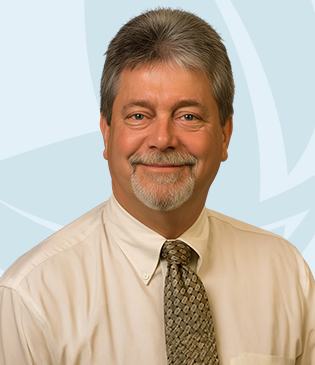
Medically Reviewed By
Dr. Chip Roberts, DO
Dr. Roberts is Board Certified in Addiction Medicine with over 25 years of clinical experience. He reviewed this article to ensure all medical claims, data, and recommendations are accurate and align with current clinical guidelines.
Learn more about Dr. Roberts.
Get Help Now!
If you or a loved one are in need of opioid addiction treatment, call 1-877-284-7074!

Table of Contents