If you or a loved one are in need of opioid addiction treatment, call 1-877-284-7074!
The Family's Role in Opioid Addiction Treatment
At A Glance
How Families Can Support Opioid Addiction Recovery
Family support can play an important role in a loved one’s opioid addiction treatment and recovery. Learn how to encourage treatment, communicate with compassion, set healthy boundaries, respect privacy, recognize progress, and take care of your own well-being while supporting someone with opioid use disorder. You don’t have to have all the answers—understanding how to support recovery can help your family move forward together.
Section 01:
Recovery Is Stronger When Families Heal Together
When someone you love begins treatment for opioid addiction, it's natural to wonder:
"What should I do now?"
You want to help, but you may not know how.
Should you check in every day?
Give them space?
Hold them accountable?
Protect them from consequences?
The truth is, there isn't a single "right" way to support someone in recovery. But there are healthy, meaningful ways families can encourage healing while also taking care of themselves.
At New Season, we believe recovery isn't just about helping one person, it often involves helping the entire family move forward.
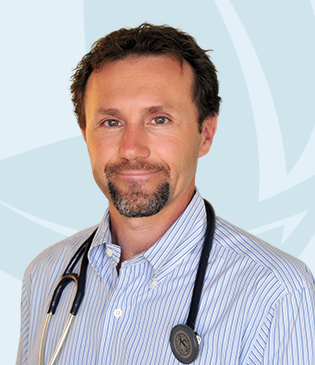
Dr. Chip Roberts, Corporate Medical Director, New Season
Section 02:
Your Role Isn't to Fix the Problem
One of the greatest burdens families carry is believing they're responsible for fixing their loved one's addiction.
You're not. You didn't cause it.
You can't control it.
And you can't cure it.
What you can do is create an environment that supports recovery.
That means offering encouragement, setting healthy expectations, and reminding your loved one they don't have to face recovery alone.
Section 03:
Recovery Is a Journey, Not a Single Event
Many families hope treatment will immediately "bring back" the person they remember.
Recovery is rarely that simple.
There will likely be good days and difficult days.
Some milestones will come quickly. Others take time.
Progress often happens gradually.
That's why celebrating small victories can be just as important as recognizing major milestones.
Celebrate things like:
- Showing up for treatment consistently
- Returning to work or school
- Rebuilding trust one conversation at a time
- Making healthier choices
- Asking for help instead of struggling alone
Recovery isn't about perfection.
It's about progress.
Section 04:
Encourage Treatment – Without Trying to Control It
One of the best things you can do is encourage your loved one to stay engaged in treatment.
Research consistently shows that the longer someone remains in treatment, the greater their chances of long-term recovery.
Treatment isn't simply about stopping opioid use.
It's about building a healthier, more stable life.
You can support this by:
Encouraging them to attend appointments
- Celebrating treatment milestones
- Asking how they're feeling instead of judging how they're doing
- Being patient with the recovery process
Dr. Eric Folkens, Area Medical Director, New Season
Section 05:
Recovery That Lasts Creates Meaningful Change
The longer patients stay engaged in treatment, the more likely they are to rebuild important parts of their lives.
New Season counseling outcomes show meaningful improvements over time, including:
- 31% improvement in employment
- Nearly 9% improvement in stable housing
- 65% reduction in illicit opioid use
- 45% reduction in criminal activity
- 14% improvement in school and vocational participation
These aren't simply numbers.
They're families reunited.
Parents returning to work.
Children seeing healthy role models.
Lives moving forward.
Patient Sarah Figueroa of our Vero Beach Treatment Center
Section 06:
Listen More Than You Lecture
Recovery is hard work.
Your loved one may already feel embarrassed, discouraged, or ashamed.
One of the greatest gifts you can offer is a safe place to talk.
Instead of trying to solve every problem, try asking:
- "How are you feeling today?"
- "How can I support you?"
- "What's been the hardest part lately?"
Sometimes listening is more powerful than giving advice.
Section 07:
Understand That Recovery Isn't Always a Straight Line
Recovery isn't always linear.
Some people move forward steadily. Others experience setbacks.
A setback doesn't mean treatment has failed.
It means your loved one is managing a chronic medical condition that often requires ongoing care and support.
Responding with compassion instead of criticism can make it easier for someone to stay engaged in treatment rather than giving up altogether.
Section 08:
Respect Their Privacy While Staying Connected
Once treatment begins, families naturally want updates.
However, healthcare providers are required to protect patient privacy under federal confidentiality laws, including HIPAA and 42 CFR Part 2.
If your loved one chooses to include you in their care, the treatment team will work with you whenever possible.
If they don't, continue showing support in other ways.
Privacy doesn't mean they don't need you.
It simply means they're entitled to confidential medical care.
Section 09:
Recovery Doesn't Mean Doing Everything Alone
Many people mistakenly believe recovery means complete independence.
In reality, successful recovery often includes accepting support from:
- Family members
- Counselors
- Medical providers
- Peer support
- Recovery communities
Your encouragement can remind your loved one that asking for help is a sign of strength, not weakness.
Section10:
Don't Forget to Take Care of Yourself
Supporting someone with opioid addiction can be emotionally exhausting.
You cannot pour from an empty cup.
Make time to care for your own well-being.
That may include:
- Talking with a trusted friend
- Joining a family support group
- Speaking with a counselor
- Learning more about addiction
- Setting healthy boundaries
- Taking care of yourself isn't selfish.
It's essential.
Dr. Monica Discolo, Program Services Quality Manager, New Season
Section11:
You Don't Have to Do This Alone
Many families feel isolated during this process.
But thousands of families have walked this road before, and many have found hope.
Joy Smith, mother of a patient at West Palm Beach Treatment Center
If you're unsure how to support your loved one, we're here to help.
Speak with a New Season treatment specialist to learn how families can become an important part of recovery.
If you're unsure how to support your loved one, we're here to help.
Speak with a New Season treatment specialist to learn how families can become an important part of recovery.
Section12:
Hope Grows One Day at a Time
Recovery isn't measured by perfection.
It's measured by showing up.
Trying again.
Building trust.
Taking the next step.
Your love, encouragement, and willingness to learn can become one of the greatest gifts you offer your loved one.
They don't need you to have all the answers.
They just need to know they're not walking this journey alone.
Section13:
Ready to Learn More?
Supporting someone through recovery can feel overwhelming, but you don't have to figure it out on your own.
Whether your loved one is just beginning treatment or has been in recovery for months, New Season is here to support your entire family.
Call New Season today to speak with a compassionate treatment specialist or find a treatment center near you.
Medically Reviewed By
Dr. Chip Roberts, DO
Dr. Roberts is a board-certified doctor with over 15 years of clinical experience. He reviewed this article to ensure all medical claims, data, and recommendations are accurate and align with current clinical guidelines.
Learn more about Dr. Roberts.
Get Help Now!
If you or a loved one are in need of opioid addiction treatment, call 1-877-284-7074!

Table of Contents